A Life Shaped by Power, Duty, and Public Service
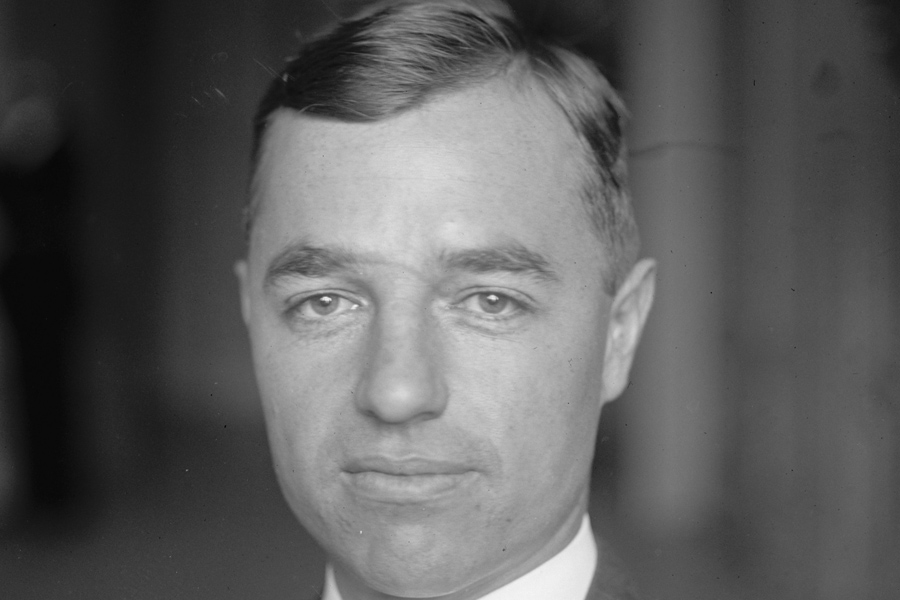
I see Charles Phelps Taft Ii as one of those rare figures whose life sits at the meeting point of national history and local identity. He was born in 1897 into the Taft dynasty, yet he did not live as a shadow of the family name. He built a civic identity of his own in Cincinnati, where he became a lawyer, reform-minded politician, and mayor. He also carried the weight of a famous household with unusual grace. His story is not just about privilege. It is about discipline, duty, and the stubborn work of making a city better one project, one term, one hard compromise at a time.
He was the youngest child of William Howard Taft and Helen Herron Taft, and that alone placed him inside a house full of politics, ambition, and public expectation. His father became president of the United States and later chief justice. His mother, Nellie, was sharp, energetic, and deeply engaged in the public life around her. In that atmosphere, Charles learned early that reputation was a form of currency, but character was the real inheritance.
The Taft Family Tree Around Him
The family around Charles Phelps Taft Ii formed a kind of civic constellation. His father, William Howard Taft, gave the family national stature. His mother, Helen Herron Taft, gave the household its emotional intelligence and social range. Together, they raised three children: Robert A. Taft, Helen Taft Manning, and Charles.
Robert became the famous Ohio senator, a hard edged conservative whose name became shorthand for Republican doctrine. Helen Taft Manning made her own mark as a scholar and educator. Charles, by contrast, found his place in law and city politics. Each sibling carried a different facet of the family legacy, like three branches growing from the same sturdy trunk.
His grandparents on the Taft side were Alphonso Taft and Louisa Maria Torrey Taft. Alphonso was a towering legal and political figure in his own right. Louisa helped shape the family culture with discipline and stability. The Taft name did not appear from nowhere. It was built, generation by generation, on public service, legal training, and a belief that civic life mattered.
Charles also stood within a wider network of notable relatives. The family included Charles Phelps Taft, the publisher and politician for whom he was named, as well as other important figures such as Horace Dutton Taft, Henry Waters Taft, Peter Rawson Taft, and Frances Louise Taft. The family tree spreads wide, but the branches all lean toward influence, education, and public responsibility.
Eleanor Kellogg Chase and the Home He Built
In 1917, Charles married Eleanor Kellogg Chase. Marriage afforded him a quiet space offstage. Eleanor was from the notable Waterbury Chase family, with commercial ties. She was more than a decorative or political spouse. Being the mother of seven children and the anchor of a huge family required patience, fortitude, and quiet strength.
They had Eleanor Kellogg Hall, Sylvia Howard Lotspeich, Seth Chase Taft, Lucia Chase Taft, Cynthia Herron Taft Morris, Rosalyn Rawson Taft, and Peter Rawson Taft III. This large and active household reflected 20th-century war, politics, education, and public service.
Continuing the family law and Republican political legacy, Seth Chase Taft became prominent in public life. The family name was also used professionally by Cynthia Herron Taft Morris. The youngsters had different paths, but they had a strong public seriousness. Legacy is not a slogan in these households. A pressure system.
Yale, War, and the Making of a Public Man
Charles attended Yale, and like many young men of his era, his education was interrupted by war. He served in World War I, which gave him direct exposure to the discipline and disruption that shaped so many American lives in the early 20th century. He later completed his studies at Yale Law School and entered legal practice in Ohio.
That path matters because it shows a pattern in his life. He did not merely coast on family prestige. He trained, studied, practiced, and built credibility inside the hard machinery of law. His career began in legal work, but it widened quickly into politics and municipal reform.
In 1924, he and his brother Robert helped form the law firm that eventually became Taft Stettinius & Hollister. That firm would grow into a major institution, and its roots in the Taft brothers’ partnership reflect both family trust and professional ambition. The law was not just a job for Charles. It was a platform for public influence.
Cincinnati Politics and the Reform Temperament
Charles Phelps Taft Ii became deeply identified with Cincinnati. He was one of the city’s long running reform voices, tied to the Charter Committee and to efforts that sought better local government. He believed, in practice, that city life could be improved by structure, planning, and persistence. That kind of politics is often less dramatic than national confrontation, but it is no less important. It is the politics of bricks, budgets, ordinances, and neighborhoods.
He served on Cincinnati City Council over many years and eventually became mayor from 1955 to 1957. That mayoral period is central to his legacy. He worked on slum clearance, public assistance, and labor relations. He was not a flashy or theatrical politician. He was more like a mason than a magician, laying one stone after another, trying to shape a civic edifice that would last.
He also ran for governor of Ohio in 1952 and won the Republican nomination, though he lost the general election. Even in defeat, the campaign showed the scale of his ambition. He was not content to remain a local notable. He wanted to bring his reform instincts into broader public life.
War Work, International Vision, and Civic Preservation
Charles’s public life did not stop at city limits. During World War II, he worked in the State Department’s Office of Wartime Economic Affairs and advised the U.S. delegation at San Francisco during the creation of the United Nations. That role reveals another side of him. He was not merely a city hall figure. He understood that local government and global order were linked by the same basic question: how do people organize power responsibly?
Later, he played a major role in preserving the William Howard Taft family home in Cincinnati. He headed the memorial association that helped secure the property for public historic preservation. That effort was more than nostalgia. It was a statement that memory itself has civic value. A home can be a vessel of public history, and a family can become part of a city’s identity.
The Texture of His Legacy
Charles Phelps Taft Ii’s inheritance-independence balance stands remarkable. He was famous by birth, but he didn’t flaunt it. He did it. He shaped it. He took it to law offices, council chambers, campaign trails, churches, and preservation fights.
He seems to have recognized that family goes beyond blood. It involves influence, anticipation, and repetition. The beginning came from William Howard and Helen Herron Taft. Robert A. Taft and Helen Taft Manning demonstrated familial versatility. Eleanor Kellogg Chase gave him a family and seven children who expanded the line. The older Tafts, Chases, and other relatives who shaped his life were around them.
FAQ
Who was Charles Phelps Taft Ii?
Charles Phelps Taft Ii was a Cincinnati lawyer, reform politician, and mayor who came from the nationally prominent Taft family. He was the son of William Howard Taft and Helen Herron Taft, and he built his own reputation through law, civic work, and city government.
Who were his parents?
His parents were William Howard Taft and Helen Herron Taft, also known as Nellie. His father was president of the United States and later chief justice, while his mother was a strong and politically engaged presence in the family.
Who were his siblings?
His siblings were Robert A. Taft and Helen Taft Manning. Robert became a famous U.S. senator from Ohio, and Helen became a scholar and educator.
Who was his wife?
His wife was Eleanor Kellogg Chase. She came from the Chase family and was the mother of his seven children.
How many children did he have?
He had seven children. They were Eleanor Kellogg Hall, Sylvia Howard Lotspeich, Seth Chase Taft, Lucia Chase Taft, Cynthia Herron Taft Morris, Rosalyn Rawson Taft, and Peter Rawson Taft III.
What was his main career?
His main career was in law and public service. He practiced law, helped build a major law firm, served on Cincinnati City Council, became mayor, and worked on reform politics and public administration.
Why is he important in Cincinnati history?
He is important because he helped shape Cincinnati government, supported reform movements, and worked to preserve the city’s Taft family history. He was part politician, part steward, and part builder of civic memory.
What role did he play in the Taft family legacy?
He carried the Taft name into local government, law, and historic preservation. He helped translate a national family legacy into a Cincinnati civic legacy, which gave the family name a lasting local presence.