Early life and the shape of a life
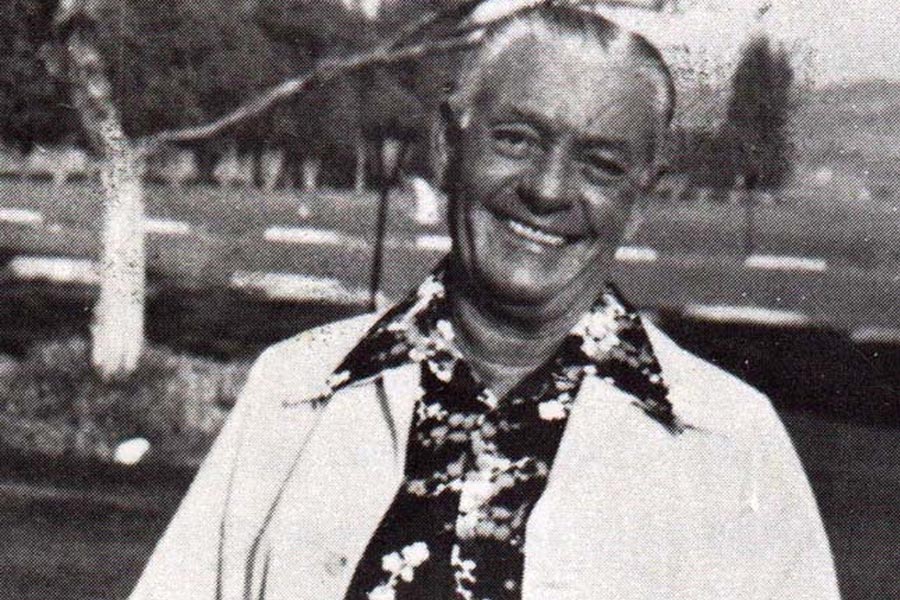
I first encountered Charles Axiom Chamberlain as a name that carried both ordinary rhythm and a hidden cadence. Born in August 1902, he grew from a Midwestern childhood into a life that threaded Los Angeles by the 1920s. Numbers anchor him: 1902 for his birth, roughly 19 for the age when he moved west, and December 1984 for the day his life closed in Laguna Beach. Those dates form the bones. The rest is muscle and memory.
He worked as a salesman, a tradesman of machines and relationships. He moved from shop equipment into real estate and supermarket lines, and for roughly 14 years, from 1956 to 1970, he ran a refrigerator business. Those details sketch a life of steady labor and modest entrepreneurship. They also hint at the pockets where restlessness or refuge might live.
The long run toward recovery
I find it amazing how one moment may change your life. Charles reached that point in the mid-1940s. He recorded a January 1946 sober date. That date was pivotal. It made him a voice in Alcoholics Anonymous, not just a struggling businessman. He traveled, spoke, and testified on alcoholism and recovery. One of his most memorable speeches was at a 1969 alcoholism and drug misuse hearing. He made his personal achievement a working lamp for others.
He left written reflections. His 1984 memoir A New Pair of Glasses was published near the end of his life. The title implies new vision clarifies the world. I see that as his motivation for public witness from individual hardship.
Family life: the people at the center
Family names often become the most human parts of a biography. For Charles the central figures are clear.
Elsa Chamberlain
Elsa, his wife, was the household anchor. A musician and someone with a creative pulse, she stayed close to the rhythms of family life and childrearing. In my reading she is the still center that balanced Charles the traveler and speaker. She was mother, partner, and keeper of the domestic ledger.
William “Bill” Chamberlain
Bill was the elder son, a practical presence who at times collaborated with his father in business affairs. He is less visible in public narratives, but he is the sibling who filled ordinary obligations: work, shared memory, the family continuity that does not demand headlines.
Richard Chamberlain
Richard is the son who became famous. Born in 1934, he rose to public notice as an actor, appearing in television, film, and theater. In family stories Richard occupies the space where private roots meet public life. He grew up in a household shadowed by his father’s struggles and later illuminated by his father’s recovery. That duality shaped him. He often referenced his family as a grounding element in the long arc of his career.
Career and public achievements
Charles did not seek celebrity. His achievements are measured in meetings, in speeches, and in small businesses. He carved a reputation as an AA speaker, traveling long distances to meet groups, to tell of surrender, and to testify before public bodies. In 1969 he took his message to a public hearing on alcoholism. In practical terms he built a life through work: salesman, real estate operator, supermarket trade, and refrigerator business owner for 14 years. Those numbers matter. They show a man who kept his hands busy while he worked on his heart.
His written output was not voluminous, but it was focused. The 1984 memoir gave readers a direct line into his experience. That same year he died. There is a poetic symmetry in a life that ends close to the publication of its telling.
A timeline at a glance
| Year or range | Event |
|---|---|
| 1902 | Born in August |
| circa 1921 | Moved to Los Angeles at about age 19 |
| 1930s to 1950s | Worked in sales, real estate, and supermarket businesses |
| January 1946 | Recorded his sober date |
| 1956 to 1970 | Operated a refrigerator business for about 14 years |
| 1969 | Testified publicly on alcoholism and drug abuse |
| 1984 | Published A New Pair of Glasses and died in December |
I find tables efficient. They let dates stand like mileposts on a long road.
Personal notes and character traces
Reading these fragments, I imagine Charles as a man of paradox. He had the blunt trade skills of a salesman and the delicate, confessional voice of a recovery speaker. He kept businesses and kept promises to himself. He could sell a refrigerator and then stand before a room and speak about shame. He turned inside work into a public craft.
Metaphor helps. He was a lighthouse held together with patched planks. The light was steady. The structure bore scars, but it did what it was made to do. He brought the light into harbors of people who had few beacons.
How the family threads connect
Family history rarely is neat. Woven in overlapping strands. Elsa offered shelter. Bill provided continuity. Richard popularized a family story. Charles is caught between private struggle and public witness. Sobriety taught his sons that wrong is not destiny and that repair can happen daily.
I see how home economies affected careers. Children learn how to balance books, maintain a machine, and wait through a long day when their father manages a modest business from 1956 to 1970. Those lessons influence decision-making more than clever counsel.
FAQ
Who was Charles Axiom Chamberlain?
I know him as a Midwestern born man, born in August 1902, who moved to Los Angeles as a young adult and worked as a salesman and small business owner. He became a prominent Alcoholics Anonymous speaker after recording a sober date in January 1946.
What businesses did he run?
From the 1930s to the 1950s he worked in sales, real estate, and supermarket trade. Between 1956 and 1970 he owned and operated a refrigerator business.
Did he publish any writing?
Yes. In 1984 he published a memoir style work titled A New Pair of Glasses.
What public testimony did he give?
In 1969 he testified in a public forum on alcoholism and drug abuse, bringing his personal story into a broader civic context.
Who were his close family members?
His wife Elsa, his elder son William also called Bill, and his son Richard born in 1934, who went on to a public career as an actor.
When did he die?
He died in December 1984 in Laguna Beach.